
Tips for Choosing Calm Colors to Create a Soothing Home
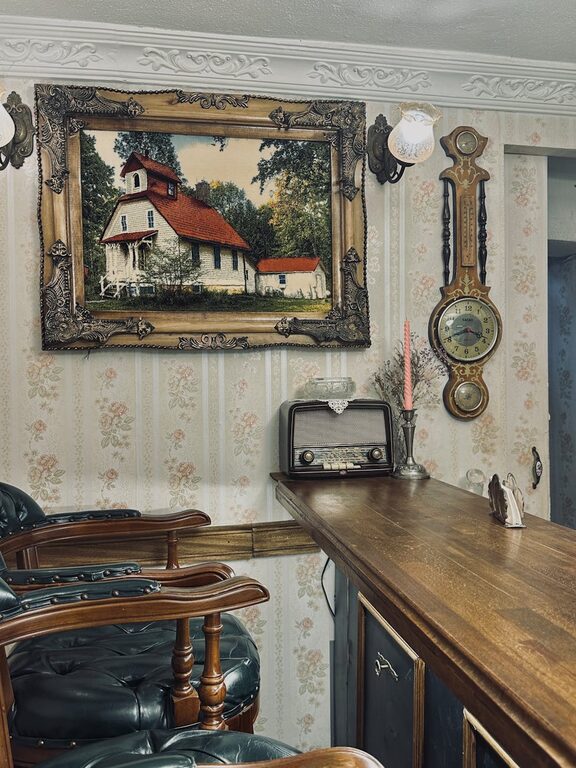
Creating a peaceful and inviting atmosphere in your home often starts with the colors you choose for your walls and décor. Calm colors can help reduce stress, improve mood, and make your living spaces feel welcoming and comfortable. But with so many options available, how do you pick the perfect shades that bring tranquility without feeling dull? In this post, we’ll explore tips for choosing calm colors that enhance your home’s serenity while complementing your personal style.
Why Choose Calm Colors for Your Home?
Colors have a strong psychological impact—certain hues can energize, while others soothe. Calm colors typically include soft neutrals, muted blues and greens, gentle pastels, and earth tones. These shades often evoke nature and simplicity, helping to create spaces that encourage relaxation and focus.
Using calm colors can be especially beneficial in areas where you unwind, such as bedrooms, living rooms, or reading nooks. They can also improve flow and cohesion throughout your home by providing a neutral backdrop that balances bolder accents.
Understanding Color Psychology Basics
Before picking colors, it helps to understand the emotional effects of different shades:
– Blues: Known for their calming and cooling effects, blue tones can reduce anxiety and promote a sense of peace.
– Greens: Representing nature and growth, green hues encourage balance and renewal.
– Beiges and taupes: Soft neutral tones create warmth and stability without overpowering the senses.
– Lavenders and soft purples: Often associated with creativity and calm, these shades add a subtle touch of elegance.
– Light grays: Versatile and sophisticated, gray can create a serene backdrop while maintaining modern simplicity.
Avoid overly bright or neon colors if your goal is calmness, as these tend to stimulate the mind and increase alertness.
Tips to Choose Calm Colors for Your Home
1. Consider Lighting
Natural and artificial lighting dramatically influence how colors appear in a room, so test paint samples at different times of the day. South-facing rooms get warm sunlight, which can brighten cool colors, while north-facing rooms may benefit from warmer tones to offset dim light.
2. Start with a Neutral Base
Begin with a neutral color on the walls to keep the overall atmosphere calm and adaptable. Shades like soft beige, warm white, or muted gray create a clean canvas. You can then add accents in calm colors through furniture, pillows, or artwork.
3. Use the 60-30-10 Color Rule
Distribute colors in your room by the 60-30-10 rule to maintain balance:
– 60%: Dominant calm color on walls or large furniture
– 30%: Secondary calm color on smaller furniture or curtains
– 10%: Accent color to add subtle pops and interest without overwhelming
This method helps create depth without losing the serene vibe.
4. Choose Matte or Satin Finishes
High gloss or shiny paint finishes can reflect light harshly and diminish calmness. Matte or satin finishes provide a soft, velvety look that enhances the soothing effect of your color choices.
5. Incorporate Natural Elements
Calm colors often reflect nature’s palette. Bring in textures and materials like wood, stone, and plants to enhance the organic feel. These elements complement calm shades and add warmth and tactile interest.
6. Test Colors in Small Spaces First
Before painting entire rooms, try a sample on a small wall or decor piece. Living with the color for a few days helps ensure it creates the calm feeling you want and works well with your furniture and lighting.
7. Harmonize with Existing Décor
Consider your furniture, flooring, and fixtures when choosing calm colors. Coordinating tones creates a seamless look, while contrasting colors can be distracting. Aim for a cohesive palette that flows naturally.
Popular Calm Color Palettes to Explore
Here are some tried-and-true combinations that promote calmness:
Soft Blue and Warm White
Light blues layered with warm white walls create an airy, ocean-inspired vibe perfect for bedrooms or bathrooms.
Sage Green and Natural Wood
Sage green paired with unfinished or lightly stained wood provides an earthy, grounded atmosphere suitable for living rooms or kitchens.
Light Gray and Dusty Pink
This gentle duo balances modern sophistication with a hint of warmth, ideal for offices or lounges.
Beige, Cream, and Soft Taupe
A monochromatic palette of soft neutrals induces calm without feeling boring, suitable for any room style.
Lavender and Pale Gray
Subtle lavender shades mixed with muted gray bring a serene, elegant touch to bedrooms and guest rooms.
Avoid Common Mistakes
– Choosing colors based solely on trends: Trendy colors may not feel timeless or truly calming to you.
– Ignoring undertones: Two shades of “blue” or “green” can look very different depending on their undertones.
– Overcrowding with too many colors: Limit your palette to two or three calm hues to keep spaces harmonious.
– Skipping the sample test: Always test colors with your lighting before committing.
Final Thoughts
Selecting calm colors for your home doesn’t mean sacrificing style or interest. By focusing on hues that inspire relaxation and harmony, you can create a space that feels both beautiful and peaceful. Remember to consider your lighting, existing décor, and personal preferences as you explore different shades.
With a bit of experimentation and thoughtful planning, your home can become your favorite sanctuary—a place where calm colors support your well-being every day.
—
Feel free to share your experience with calm colors in your home or ask questions in the comments below!