
Tips for Choosing Comfortable Home Lighting
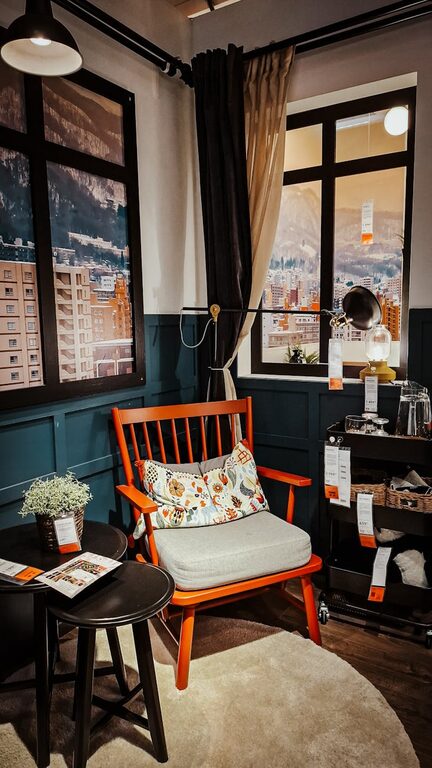
Creating a comfortable and inviting atmosphere at home starts with the right lighting. Proper lighting not only enhances the aesthetics of your space but also affects your mood, productivity, and overall well-being. Choosing comfortable home lighting might seem straightforward, but with so many options available, it can become overwhelming. This post offers practical tips to help you select the ideal lighting that suits your needs and style.
Understanding the Basics of Home Lighting
Before diving into tips, it’s helpful to understand the three main types of lighting used in homes:
– Ambient Lighting: This is the primary source of light in a room, providing overall illumination. Examples include ceiling fixtures, chandeliers, and recessed lights.
– Task Lighting: Focused lighting for specific activities like reading or cooking. Desk lamps, under-cabinet kitchen lights, and vanity lights fall under this type.
– Accent Lighting: Used to highlight architectural features, artwork, or décor. Spotlights, track lights, and wall sconces can create dramatic effects.
Balancing these three layers of lighting helps create a multifunctional and comfortable space.
Tips for Choosing Comfortable Home Lighting
1. Consider the Purpose of Each Room
Different rooms have different lighting needs. For instance:
– Living Room: Opt for warm ambient lighting that creates a relaxing environment. Add task lighting for reading corners and accent lighting to highlight décor.
– Kitchen: Bright, cool white lighting works well for task areas like countertops and the cooking range.
– Bedroom: Soft, dimmable lights promote relaxation and help prepare for sleep.
– Bathroom: Bright, shadow-free lighting around mirrors is essential for grooming tasks.
2. Choose the Right Color Temperature
Color temperature affects how lighting feels:
– Warm light (2700K–3000K): Creates a cozy, welcoming atmosphere. Ideal for living rooms, bedrooms, and dining areas.
– Neutral light (3500K–4100K): Balanced and natural, suitable for workspaces, kitchens, and bathrooms.
– Cool light (5000K–6500K): Bright and energizing, often used in offices or areas requiring high visibility.
3. Use Dimmable Lights for Flexibility
Dimmers allow you to adjust light intensity according to the time of day or mood. Installing dimmers in living rooms and bedrooms can make lighting versatile and comfortable. Not all bulbs support dimming, so check product details when purchasing.
4. Select Energy-Efficient Bulbs
Energy efficiency doesn’t mean compromising comfort. LED bulbs are popular because they last longer, use less electricity, and come in a variety of color temperatures. Choose bulbs that match your desired light quality and save on your electricity bill.
5. Layer Your Lighting
Layering involves combining ambient, task, and accent lighting to make a room functional yet cozy. For example, in a living room, overhead fixtures provide general light, floor lamps add reading light, and wall sconces highlight artwork or architectural features.
6. Pay Attention to Light Direction and Placement
The direction and placement of light sources affect comfort. Avoid placing bright lights directly in eyes or creating harsh shadows. Use lampshades or diffusers to soften light. Position task lighting close to work areas but out of your line of sight to reduce glare.
7. Match Fixtures to Your Interior Style
Lighting fixtures are part of your décor; they can enhance or clash with your style. Choose fixtures that complement your furniture and color scheme. Modern, minimalist rooms benefit from sleek designs, while vintage or rustic interiors suit fixtures with character and charm.
8. Incorporate Natural Light
Whenever possible, maximize natural light by keeping windows unblocked and using mirrors to reflect sunlight. Natural light improves comfort and boosts mood. Consider sheer curtains to diffuse sunlight gently.
Common Mistakes to Avoid
– Relying solely on overhead lighting, which can create a flat atmosphere.
– Using overly bright or harsh white light in relaxation spaces.
– Forgetting about the scale of fixtures – too large or too small fixtures can look out of place.
– Ignoring maintenance – dusty or damaged fixtures reduce light quality.
Final Thoughts
Choosing comfortable home lighting is about balance, function, and personal preference. By understanding your space’s needs, selecting appropriate light temperature, layering different light sources, and complementing your style, you can create a warm and inviting home environment. Take your time to experiment with lighting options, and don’t hesitate to update your setup as your lifestyle evolves.
Happy lighting!